Device Basics
Smartphones, tablets, laptops, printers, Wi-Fi, and settings explained step by step.
Free technology help in Licking County, Ohio
Default Gateway provides free, patient, one-on-one technology support for seniors and neurodivergent individuals, helping you build confidence with the technology you use every day.
What we help with
Smartphones, tablets, laptops, printers, Wi-Fi, and settings explained step by step.
Passwords, scam prevention, suspicious links, privacy settings, and safer login habits.
Email, contacts, calendars, reminders, telehealth visits, and video calls with family or care teams.
Online forms, patient portals, PDFs, files, backups, photos, and important digital records.
Larger text, captions, screen readers, hearing support, focus aids, and simplified home screens.
If the need is not listed, reach out anyway. We make every effort to help with practical technology needs.
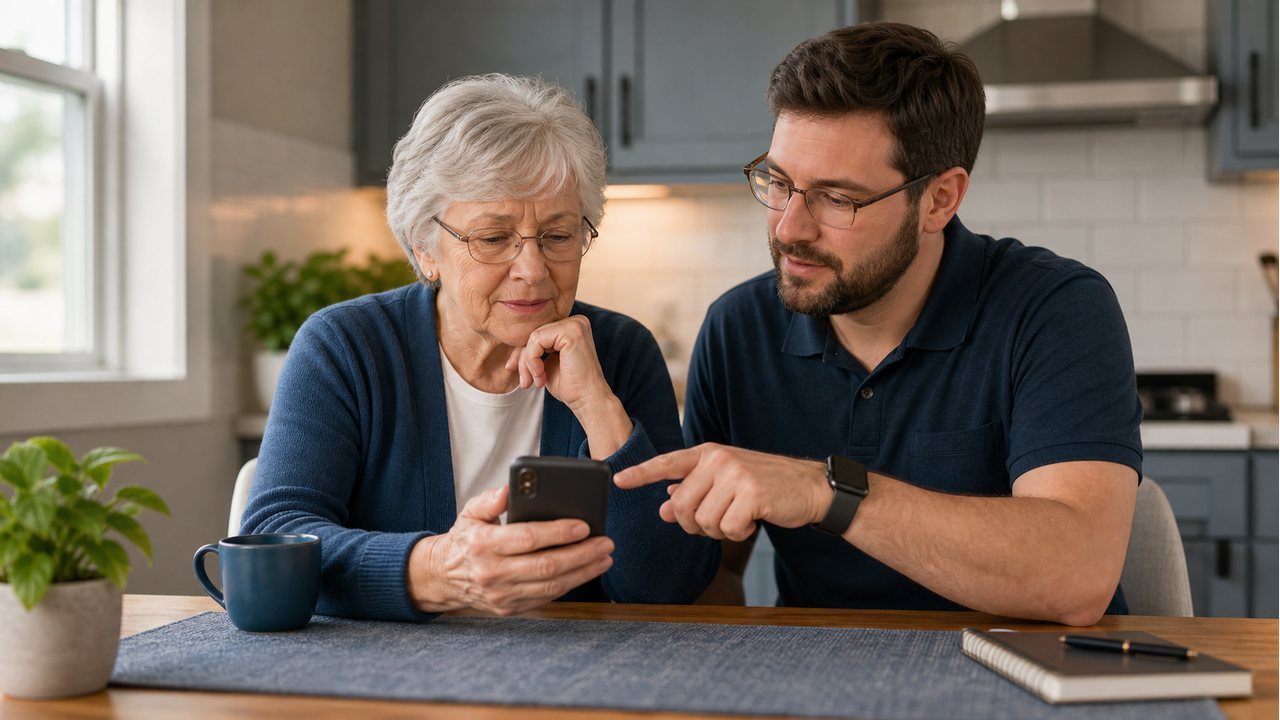
Why human help matters
Default Gateway exists because telling someone to "just go online" leaves too many people behind. Access, confidence, disability, cost, and past bad experiences all shape whether technology is usable.
How it works
Call, text, email, or use the help request form.
Share the device, account, task, routine, or barrier that is getting in the way.
Sessions are usually 60 minutes, patient, sensory-friendly, and practical.
You leave with clearer steps, safer habits, or a system you can use again.
of Americans with disabilities used a desktop, laptop, or tablet in 2021, compared with 70% of people without disabilities.
NTIAolder adults, about 38%, were estimated not ready for video visits, largely because of technology inexperience.
JAMA Internal Medicineassistive technology demonstrations were provided by state programs in one year, alongside major device reuse and savings.
ACLYour privacy matters
We collect the minimum information needed to help, never sell your information, and do not store identifying client information on the public internet. We may use anonymized, aggregate data to apply for grants and improve community services.